
Dental implants in Alicante
Particularly when the case already has a history: little bone, implants that failed, or a denture that never fitted.
Implants when the case already has a history
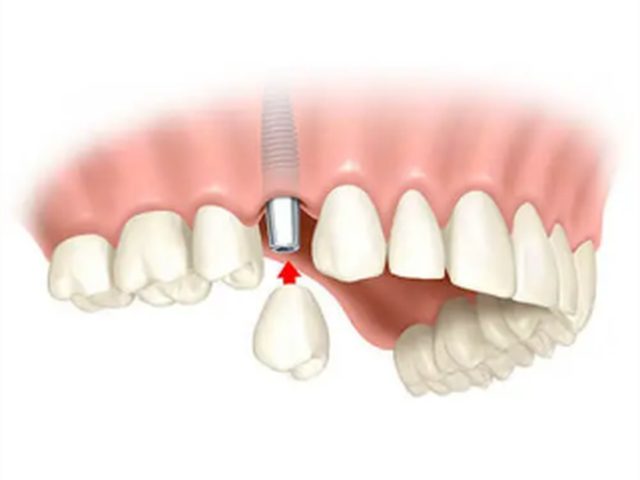
An implant replaces the root of the tooth and carries the final crown. In a straightforward case it is a highly predictable treatment. The difficulty appears when there is little bone left, when an earlier implant already failed, or when the bite has been out of balance for years.
Why an implant fails
Never by chance. Behind it there is usually a poor position, load badly spread, untreated gum disease, smoking, or no maintenance at all. Before operating again we work out which of those was at play, because repeating the procedure without fixing the cause leads to the same ending.
Monolithic zirconia
On the prosthetic side we work mostly with zirconia milled from a single block, with no porcelain layered on top. With no outer layer there is nothing to chip, which is the commonest long-term failure in rehabilitations, and the fit is machined straight from the digital design.
If you have X-rays or a previous report, bring them: they shorten the first visit and let us assess what was done before.
-
Chewing function
You can bite and chew normally again, with no restrictions on your diet.
-
Natural appearance
The crown is designed around your shape, shade and proportions, in harmony with your face.
-
Stable and comfortable
Nothing moves or comes loose. Cared for like a natural tooth, with hygiene and check-ups.
At this clinic
When the implant is not the first attempt
A large part of the implants we place in Alicante are not first treatments: they come from an implant that failed, a prosthesis that does not fit, or an earlier verdict ruling surgery out for lack of bone. That scenario calls for a longer workup, not a shorter one.
We start by understanding why the last attempt failed. An implant is not lost by accident: there is a cause — position, load, gums, hygiene, tobacco — and unless it is corrected, the next one goes the same way. That reading is the part of the work that most determines the result.
On the bone available we then choose between placing directly, rebuilding first, or alternative anchorage in extreme situations. The prosthesis is designed digitally from the outset, usually in monolithic zirconia milled from one block.
- The cause of the failure established before operating again.
- Bone regeneration and alternative anchorage in extreme cases.
- Prosthetics milled from a single block of zirconia.
- Second opinions on previous implant treatment.
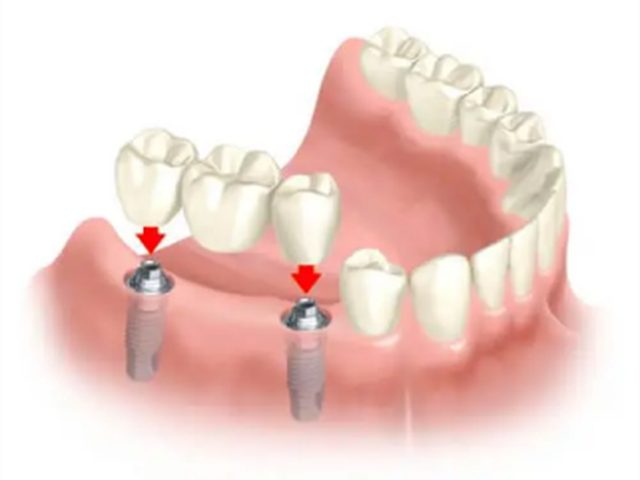
Types of dental implant

How the process works, step by step
-
Study and diagnosis
3D scan, intraoral scan and assessment of gum and bone. You leave the first visit with a diagnosis, not a generic quote.
-
Digital planning and guided surgery
We plan each implant position on the digital model and manufacture a custom surgical guide. Surgery is shorter and more precise.
-
Placement and temporary teeth
We place the implants and, where the case allows, an aesthetic temporary prosthesis the same day. You do not leave without teeth.
-
Final prosthesis and maintenance
Once the implant has integrated, we fit the definitive crown or bridge and set up a check-up plan.
Who carries it out
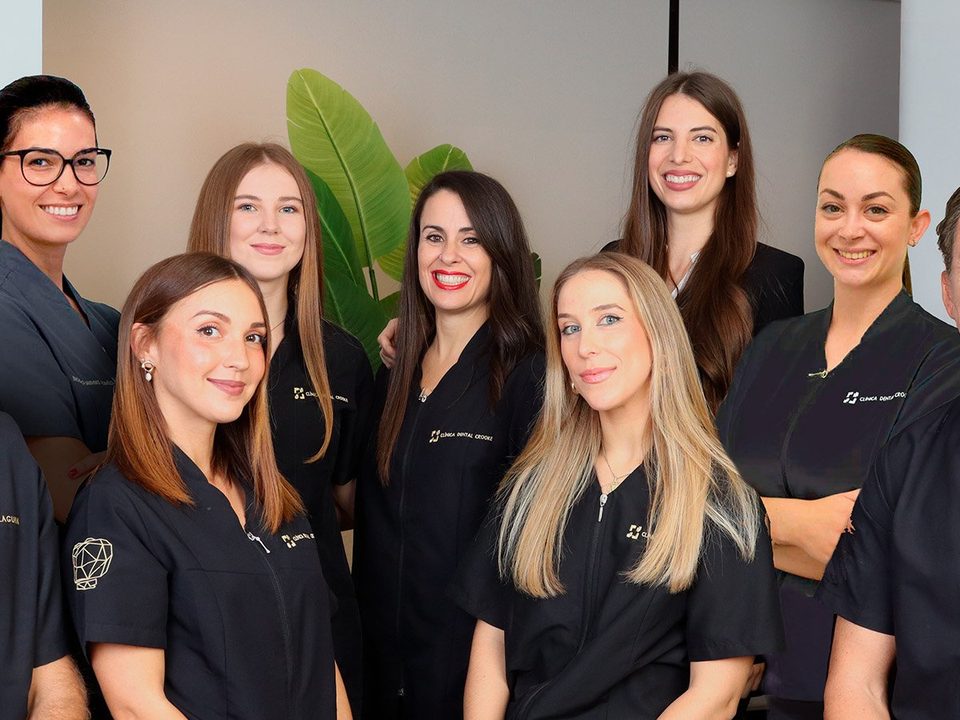
The team performing dental implants in Alicante
-

Dr. Eduardo Crooke
Director médico · Cirujano implantólogo
-

Marta San Martín
Implantología · Odontología general
-

Cynthia Cáceres
Encargada de cirugía
Common questions
What patients usually ask us
01 How long before I can get back to normal after surgery?
In most cases people return to their usual routine within 24 to 48 hours. We recommend avoiding intense physical exercise for the first few days and keeping to a soft diet during the first week.
02 What care do dental implants need?
The same as a natural tooth: daily brushing, interdental cleaning and regular check-ups. An implant cannot decay, but the bone supporting it can be lost if hygiene slips, so professional maintenance is part of the treatment.
03 What is the difference between an implant and a bridge?
An implant replaces the root of the tooth and does not touch the neighbouring teeth. A conventional bridge requires grinding down the adjacent teeth to rest on them. That makes the implant the more conservative option when the neighbouring teeth are healthy.
04 Can I have implants if I currently wear a denture?
Yes, and it is one of the changes that most improves quality of life. Moving from a removable denture to fixed teeth on implants restores chewing strength, removes the need for adhesives and, by not covering the palate, brings back your sense of taste.
05 When will I see the final result?
Aesthetic, functional temporaries are fitted from the outset, so there is no period without teeth. The definitive work is fitted once the implant has integrated with the bone.
06 Am I too old for implants?
Age alone is not a contraindication. What matters is general health, bone quality and gum health. We routinely treat older patients.
07 What if I do not have enough bone?
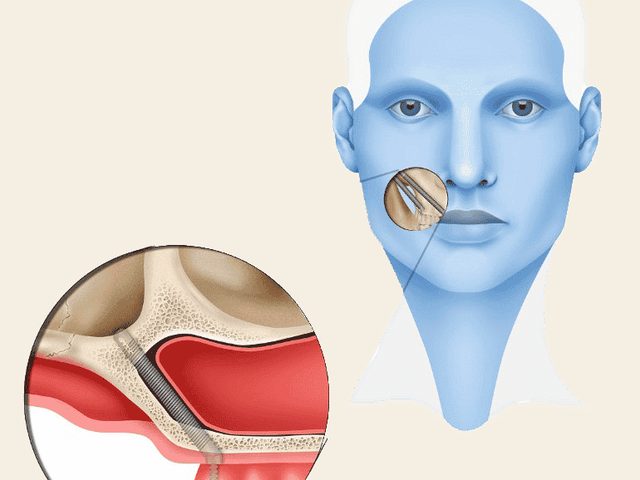
Bone regeneration, sinus lift and zygomatic implant techniques make it possible to treat cases with severe bone loss. A diagnosis of "not enough bone" often means the case needs a specific technique, not that it has no solution.
08 How much does a dental implant cost?
It depends on the number of implants, the type of prosthesis and whether bone regeneration is needed first. We do not quote fixed prices without seeing the radiographic study: that would be a made-up figure. After the first assessment we provide a written quote detailing the full treatment.
Other treatments you may be interested in

First assessment
Request your dental implants assessment in Alicante
- We call you to understand your case before proposing anything.
- Diagnosis with digital planning and a fixed written quote.
- No obligation: if you do not need treatment, we will tell you.
Prefer to talk to us directly? 965 022 202 · WhatsApp